



Serial Killers and the Safety of Hospitals
by Cory Franklin
September 3, 2023
If you wanted to become a serial killer, where might you go to do it? It seems there are few places better than a hospital. The latest example is Lucy Letby, a British neonatal ICU nurse recently convicted of murdering seven babies and attempting to kill six others by a variety of means including deliberately injecting some with air, force feeding others milk, and poisoning others with insulin. She has been sentenced to life in prison.
What was particularly tragic in this case was that after several doctors reported their suspicions about Letby, she persuaded hospital managers that she was the victim of a witch-hunt. Hospital management forced the doctors to write an apology to her, and managers also threatened their careers.
Meanwhile, Letby was offered career advancement and temporarily reassigned to the risk and patient safety office, where she had access to sensitive documents from the neonatal unit and could monitor the investigation. She was then placed back in the neonatal intensive care unit before being arrested. Had police and the hospital bureaucracy acted more expeditiously at least some of these babies would have been saved.
Letby is Great Britain’s most prolific female serial killer and joins the rogue’s gallery of hospital killers that includes Beverly Gail Allitt, who was convicted of murdering four babies in 1991 in the UK, and Dr. Harold Shipman, Great Britain’s most notorious serial killer, suspected of killing between 200 and 500 patients in the UK (although many of those were outpatients.) The US has its own members of the gallery including nurses Orville Lee Majors and Charles Cullen, both of whom probably killed dozens of hospital patients; hospital orderly Donald Harvey, who killed scores of patients primarily with cyanide injections; and Genene Jones, a pediatric nurse in Texas, convicted of killing several infants and suspected of killing more than 20 by lethal injection in the early 1980s. The story of Genene Jones is the subject of The Death Shift, a gripping book by Peter Elkind about the murders, whose title refers to the name her fellow nurses gave her shifts in the pediatric intensive care unit.
These murderers have killed so many patients, an accurate number is impossible to obtain. How could these hospital personnel, as well as others who have deliberately killed so many, go undetected for so long? It’s a legitimate question and surveillance procedures for investigating and reporting suspicious hospital deaths in many institutions, both in the UK and in the US, do little to prevent such occurrences. A cunning healthcare professional who attempts to kill, usually by injecting a difficult-to-detect medication will most likely elude detection, unless caught in the act. Even then, conviction is not assured.
Like Lucy Letby, the most notorious perpetrators do not stop at one. The perpetrators who have been caught have committed multiple murders, with essentially the same modus operandi as other serial killers. They generally become bolder as the number of their victims grows. Few of these killers confess willingly and even in these egregious situations, they have been caught only because an outsider or colleague became suspicious. Detection has not occurred through the routine procedures of the medical system or examination of the medical records. Letby was not caught until police were called in to investigate several years down the road.
In most hospitals, the circumstances surrounding hospital deaths, not just those that are suspicious but all hospital deaths, are not reviewed routinely to uncover unsuspected medical mishaps. Combine this with a trend of hospital autopsy rates that have been falling for decades, and it is clear we don’t always know what is going on when some hospitalized patients die. There may not be many serial killers roaming our hospitals (though in isolated cases we are talking about a single individual being responsible for many deaths) but what other kinds of problems are we missing with such a slipshod system?
An isolated case of a health care professional causing deliberate death is difficult to detect. But many cases would begin to raise questions if someone simply bothered to examine the medical records. Suspicious patterns of personnel, time of day and mode of death eventually emerge. This kind of evidence is not sufficient for criminal prosecution but is certainly enough to put the medical staff on high alert when suspicions are raised.
The failure to perform adequate investigation of hospital deaths has other consequences. One problem is that the medical system has often allowed these serial killers to go untracked as they move from job to job (there were several suspicious deaths at another hospital where Letby worked, and police are investigating whether she had a role.) This has occurred in part because the hospitals where the crimes have been committed have not done their homework in documenting the killers’ culpability. Without such documentation, institutions are afraid to take quick action or report because they are afraid, and they may be sued by the accused. In the Letby case, there is a claim hospital officials wanted to protect the hospital’s reputation at the expense of the investigation.
With the accumulated knowledge we have gained in medicine, toxicology, forensics, and epidemiology, it is nothing short of scandalous that the hospital is the safest place for a killer to operate. Professional nursing and physicians’ societies have said and done nothing about this problem. The same is true of federal and state governments in the US that are responsible for hospital safety. Neither the American plaintiff’s bar nor the insurance industry, which both tout their role in medical litigation as one of keeping patients safe, has weighed in on the issue.
The Letby episode is a warning to every hospital to increase its surveillance procedures for hospital deaths. In the UK, the government has announced an inquiry into the entire Letby case, but at this point those in charge of the inquiry cannot compel witnesses to attend or provide evidence. Here in the US, the Federal Government should convene a conference with the appropriate medical and law enforcement agencies, mandating certain reporting requirements for hospitals.
One thing is certain. It is frightening and somewhat unsettling to contemplate, but there will be other Lucy Letby’s in the future. Armed with syringes and a ready supply of sedatives, muscle relaxants, cardiac stimulants, respiratory depressants and even air to inject, these medical killers generally act with a disdain for hospital procedures, convinced there is no way they can be caught. Safeguards must be instituted to dispel them of that belief.
-30-
About the author:
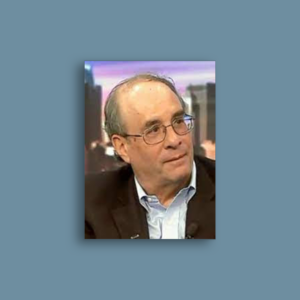
Dr. Cory Franklin
Cory Franklin, physician and writer is a frequent contributor to johnkassnews.com.
He was director of medical intensive care at Cook County Hospital in Chicago for more than 25 years. An editorial board contributor to the Chicago Tribune op-ed page, he writes freelance medical and non-medical articles. His work has also appeared in the New York Times, Jerusalem Post, Chicago Sun-Times, New York Post, Guardian, Washington Post and has been excerpted in the New York Review of Books. Cory was also Harrison Ford’s technical adviser and one of the role models for the character Ford played in the 1993 movie, “The Fugitive.” His YouTube podcast “Rememberingthepassed” has received 900,000 hits to date. He published “Chicago Flashbulbs” in 2013, “Cook County ICU: 30 Years of Unforgettable Patients and Odd Cases” in 2015, and most recently coauthored, A Guide to Writing College Admission Essays: Practical Advice for Students and Parents in 2021.